
本模组为所有生物引入了完整的DNA 机制,允许你通过一系列自定义机器创造经过改良的后代。它还引入了一些受 Minecraft Earth 启发的新生物和特性。
? 翻译:
- 英语(默认)
- 土耳其语:CreepSkeet
- 俄语:kazmurenko
- 波兰语、葡萄牙语(巴西)、西班牙语、阿拉伯语、简体中文:由 AI 机器翻译*
*AI 辅助的翻译可能包含错误。欢迎进行更正!
? DNA 机制
每个生物都携带着定义其特性的基因值:最大生命值、移动速度、掉落数量、外观等。揭示生物基因的唯一方法是提取并分析其 DNA。使用 DNA 编辑器你可以定制自己的生物,或者直接使用克隆机克隆它们。要定制某个性状,你需要先找到控制该性状的具体基因。
? 繁殖
繁殖是本模组的核心部分。由于你无法在自然界中找到所有的基因,你需要通过繁殖物种来进一步挖掘它们的基因潜力。(生命倍增器和速度修正器基因就是最明显的例子。)
? DNA 与基因
基因分为两类:核心基因和附加基因。核心基因存在于所有活体生物中。附加基因则特定于某些类型的生物。
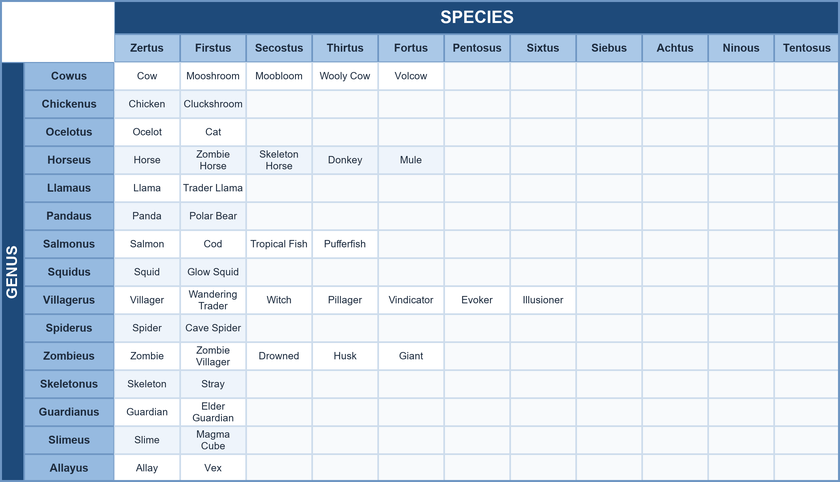
此页面未列出的任何生物都只有一个物种。例如,兔子始终是 Rabbitus Zertus;不存在 Rabbitus Firstus。
? 核心基因
属 (Genus) 属是 DNA 的基础,且不可更改。所有生物都有一个由属名和种加词组成的学名。例如,绵羊的学名是 Sheepus Zertus。如果你想要 Cowus 属的 DNA,你必须从属于 Cowus 属的生物身上获取:牛、蘑菇牛、花蘑菇牛或火山牛。
种 (Species) 种决定了生物的身份。属和种是相互关联的。通过编辑 DNA,你可以改变后代的种,但永远不能改变其属。考虑一个属为 Cowus、种为 Zertus 的 DNA:因为它的种是 Zertus,所以它是一个原版牛。将种从 Zertus 改为 Firstus,那么同样的牛 DNA 将产出一只蘑菇牛。
生命倍增器 (Health Multiplier) 一个整数,决定生物的最大生命值。例如,绵羊的默认最大生命值为 8。如果其生命倍增器为 11,则其最大生命值变为Default Max Health × 11/10 = 8 × 11/10 = 8.8(比标准绵羊多 10% 的生命值)。在自然界中,生命倍增器的范围是8 到 12;通过繁殖,这个范围扩大到6 到 20。计算后代的生命倍增器时,取父母双方值的平均值,然后乘以 0.9 或 1.1(各占 50% 的概率)。任何小数部分都会被舍去。示例:亲代 A = 12,亲代 B = 12。后代有 50% 的几率得到 ((12 + 12)/2) × 0.9 = 10.8 → 10,或有 50% 的几率得到 ((12 + 12)/2) × 1.1 = 13.2 → 13。生命倍增器为 13 的情况在自然界中无法找到,只能通过繁殖获得。
速度修正器 (Speed Modifier) 一个整数,用于增加或减少移动速度。例如,鸡的默认移动速度为 0.25。如果其速度修正器为 +2,则其速度变为Default Speed + Speed Modifier/100 = 0.25 + 2/100 = 0.252。在自然界中,速度修正器的范围是**-2 到 +2**;通过繁殖,它扩展到**-5 到 +5**。计算后代的速度修正器时,取父母双方值的平均值,然后有 33% 的几率增加 1、减少 1 或保持不变。任何小数部分都会被舍去。示例:亲代 A = -2,亲代 B = -2。后代有 33% 的几率得到 ((-2-2)/2) = -2,或 ((-2-2)/2) + 1 = -1,或 ((-2-2)/2) - 1 = -3。速度修正器为 -3 的情况在自然界中无法找到,只能通过繁殖获得。
掉落倍增器 (Drop Multiplier) 一个整数,决定掉落数量。它要么是 1(默认),要么是 2(非常稀有)。掉落倍增器为 2 会使生物的掉落量翻倍(非常适合刷怪塔)。掉落倍增器仅影响死亡掉落物。
可繁殖 (Can Breed) 决定该生物是否能够繁殖。
? 附加基因
- Variant(变体):决定实体的皮肤。存在于鹦鹉、兔子、马、羊驼、牛、绵羊、青蛙等生物中。
- Normal Max Health(正常最大生命值):存在于马、羊驼、驴、骡、僵尸马、骷髅马和商人羊驼身上。由于这些生物使用原版的生命值继承机制,该基因存储用于计算后代生命值的基准值。在此基础上会应用“生命值倍率”(Health Multiplier)。
- Normal Speed(正常速度):与上述相同的生物。存储用于计算后代的基准移动速度;在此基础上会应用“速度修正器”(Speed Modifier)。
- Jump Strength(跳跃强度):与上述相同的生物。存储用于计算后代的基准跳跃强度。
- Strength(力量):存在于苦力怕和羊驼身上。在羊驼身上,它设定箱子槽位的数量;在苦力怕身上,它设定爆炸半径。原版苦力怕的默认力量值为 2,在自然环境中你只能找到力量值为 2 的苦力怕。若要改变苦力怕的爆炸半径,请从一只拥有不同力量基因的羊驼处获取该基因。
- Main Gene(主基因):存储熊猫的主基因。也存在于北极熊(同属)中,但在那里无效。
- Hidden Gene(隐藏基因):存储熊猫的隐藏基因。也存在于北极熊(同属)中,但在那里无效。
- Markings(斑纹):影响马的斑纹、绵羊的毛皮类型(非颜色)、热带鱼的图案等。
- Size(体型):决定热带鱼的大小。
- Color(颜色):影响可染色实体(如绵羊、山羊——本模组使山羊可染色)的颜色,以及热带鱼的图案颜色。
- Horned(有角):存在于山羊、绵羊和羊驼身上。决定生物是否有角(真/假)。只有山羊在自然界中携带“true”基因;将其添加到绵羊或羊驼身上,即可生成有角的绵羊或有角的羊驼。
- Exotic(异色):仅存在于鸡身上(真/假)。新生小鸡有 ~0.3%(1/333) 的概率为异色鸡。异色基因仅通过 种子繁殖 遗传;鸡蛋不会传递该基因。异色鸡拥有鸡冠和尾羽,类似于 Minecraft Earth 中的华丽鸡。
? 生物
以下列出了新增的生物以及新增的原版生物变体。并未展示所有可能的组合;组合数量太多,请自行探索发现其余内容!
绵羊
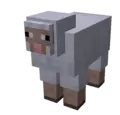
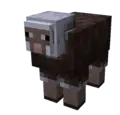
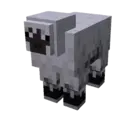
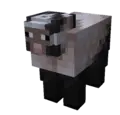
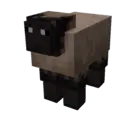
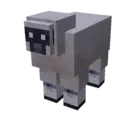
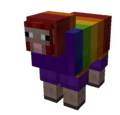
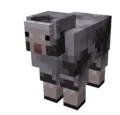
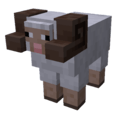
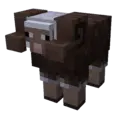
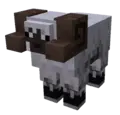
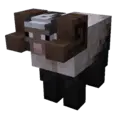
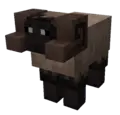
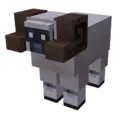
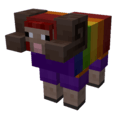
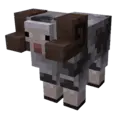
绵羊拥有 4 个额外基因。通过组合它们,你可以创造出 8 × 8 × 16 × 2 = 2048 种独特的绵羊!
- Variant(变体):绵羊的皮肤变体。范围:[0-7]
- Markings(斑纹):毛皮变体。范围:[0-7]
- Color(颜色):绵羊的颜色;即使绵羊具有毛皮变体也生效。范围:[0-15]
- Horned(有角):是否长有角。[true, false]
参考对照:
- 原版绵羊(Variant: 0, Markings: 0)
- 斑点绵羊(Flecked Sheep)(Variant: 1, Markings: 1)
- 绒毛绵羊(Fuzzy Sheep)(Variant: 2, Markings: 2)
- 墨染绵羊(Inky Sheep)(Variant: 3, Markings: 3)
- 长鼻绵羊(Long Nosed Sheep)(Variant: 4, Markings: 4)
- 斑块绵羊(Patched Sheep)(Variant: 5, Markings: 5)
- 彩虹绵羊(Rainbow Sheep)(Variant: 6, Markings: 6)
- 岩石绵羊(Rocky Sheep)(Variant: 7, Markings: 7)
- 示例组合:一只带有绒毛图案的斑点绵羊(Variant: 1, Markings: 2)。若要使其变为粉色,请添加 Color: 6 基因。
⚠️ 掉落的羊毛颜色由 Color(颜色) 基因定义;毛皮斑纹基因不影响羊毛颜色。
⚔️ 有角绵羊并非无害。 有角绵羊会自卫:当受到攻击时,它会进入狂暴状态,通知附近的绵羊,并 用角撞击目标,追击玩家和其他生物。请自行承担为绵羊繁育或编辑角的风险。
掉落物:
牛
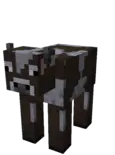
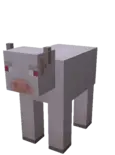
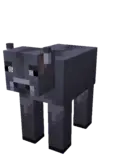
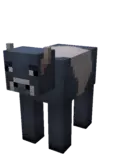
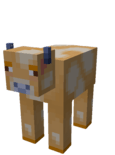
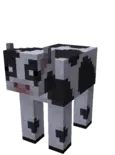
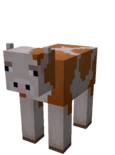
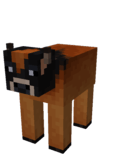
存在多种牛变体(变体:0-7)。
花牛 (Moobloom)
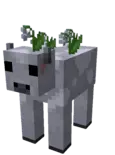
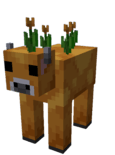
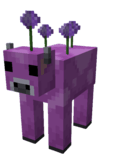
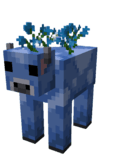
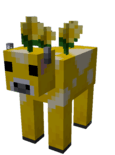
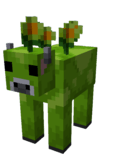
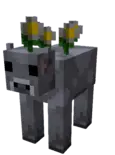
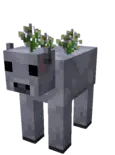
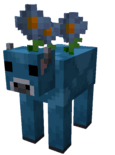
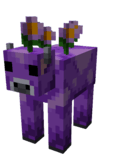
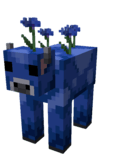
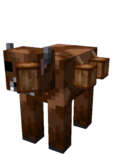
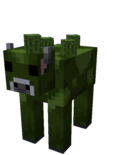
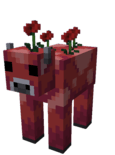
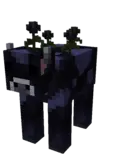
变体 0-15。在森林生物群系中罕见生成,通过编辑牛的 DNA 可以更轻松地获得。你可以剪毛花牛(它们会掉落对应变体的花朵,并在吃草时重新长出)。它们在行走时会留下一串其变体花朵的踪迹。用空碗右键点击花牛可以挤出一碗带有该变体花朵效果的可疑炖肉。蜜蜂像对待花朵一样为花牛授粉,并在授粉过程中跟随在花牛周围。当闪电击中花牛时,其变体会切换到下一个。在自然生成中,**12(棕色)、13(绿色)、14(红色)和 15(黑色)**变体不会生成;它们只能通过闪电击中的转换获得。
掉落物:
羊毛牛 (Wooly Cow)
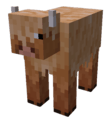
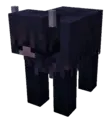
变体 0-1。除了可以被剪毛外,羊毛牛的行为与普通牛完全相同。
火山牛 (Volcow)
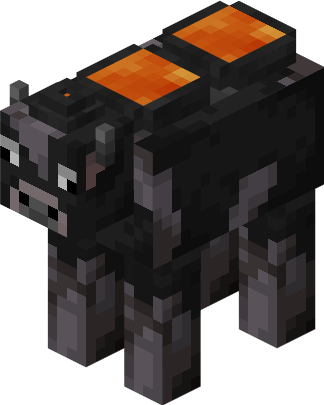
一种能产出熔岩的新型牛。在绯红森林和诡异森林中罕见生成。它的背上驮着两座小火山,每座火山里装着半桶熔岩。当两座都装满后,用空桶右键点击它可以获取一桶熔岩。它通过吃草来补充火山里的熔岩(类似于绵羊),需要吃两次才能完全填满。当熔岩满时,它在黑暗中会发光。火山牛免疫火焰伤害,并且由于体重较重,它们受到的击退效果减弱。用空碗右键点击可以挤出一碗提供**抗性提升(5秒)**的可疑炖肉。
掉落物:
鸡 (Chicken)


异国情调:是


变体 0-7,每种均可获得普通和**异域(Exotic)**形态。异域基因不会通过产卵遗传,但可以通过与种子繁殖传递。每个变体都会产出与其匹配的变体蛋。
Cluckshroom
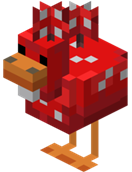
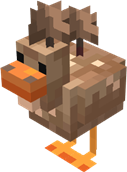
变体 0-1。不会自然生成;只能通过编辑鸡的 DNA 获得。Cluckshrooms 会寻找黑暗区域;若被直射阳光照射,cluckshroom 会陷入恐慌并四处乱跑,直到回到阴影中。像剪切哞菇一样剪切它可以使其掉落对应变体的蘑菇(红色/棕色)并恢复为普通鸡。它们在行走时会留下一串蘑菇轨迹,并产出长蘑菇的蛋(红色/棕色)。将长蘑菇的蛋投掷给拥有蘑菇形态的生物,会触发与该蛋类型相匹配的变态发育。
掉落物:
Pig


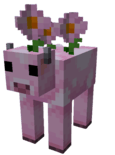
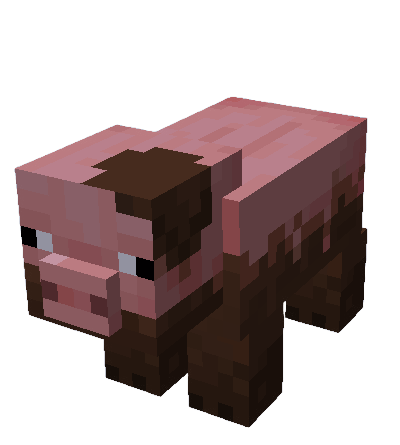
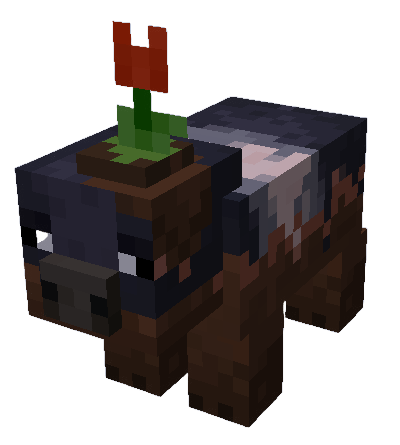
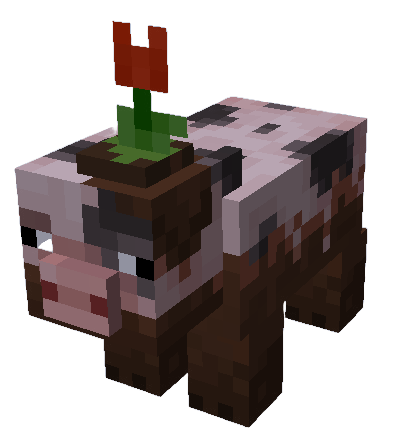
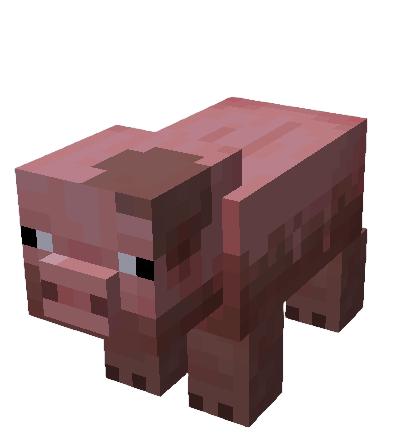
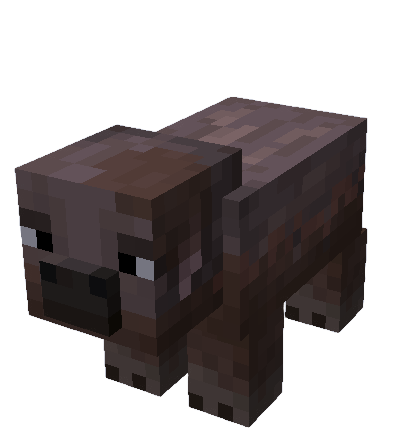
变体 0-6。关于泥泞猪的行为,请参见下方的 Mud。
泥泞状态:
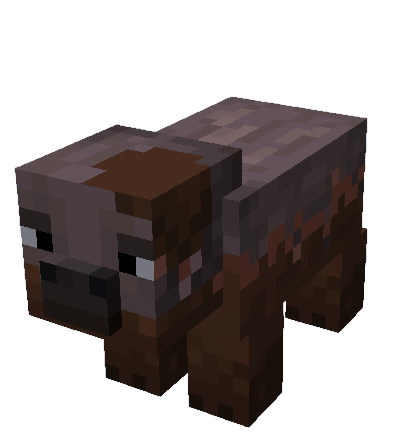
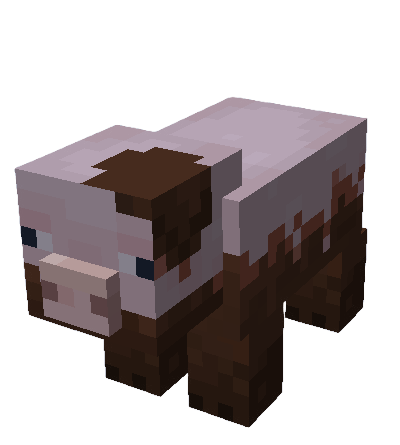

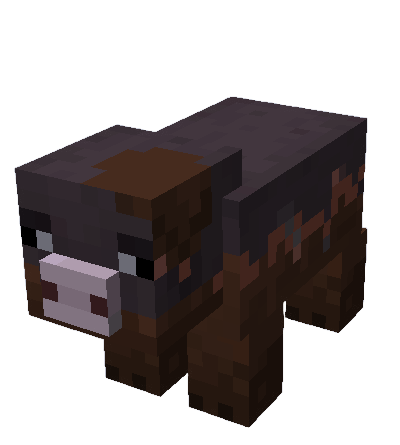
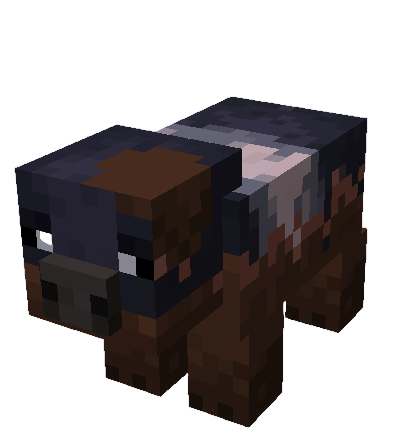
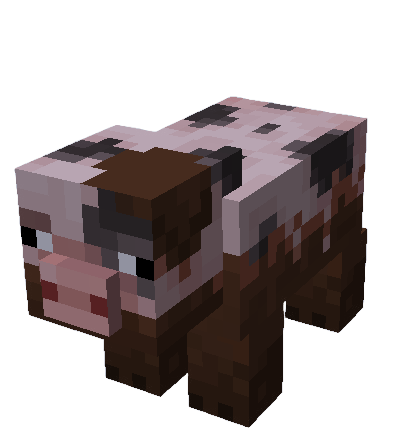

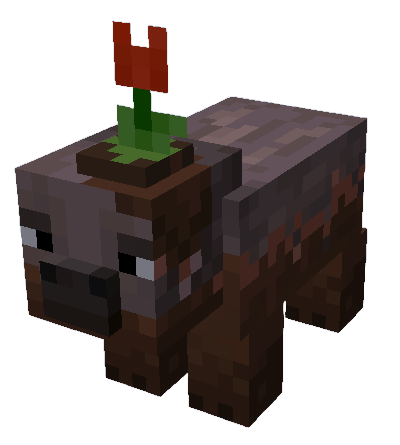
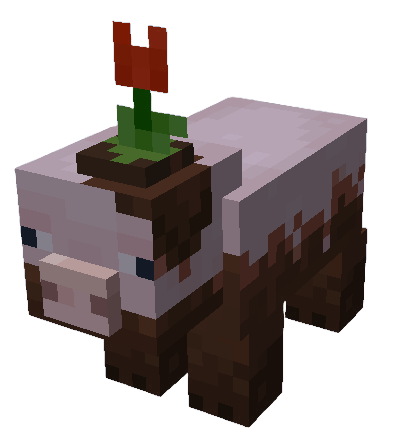
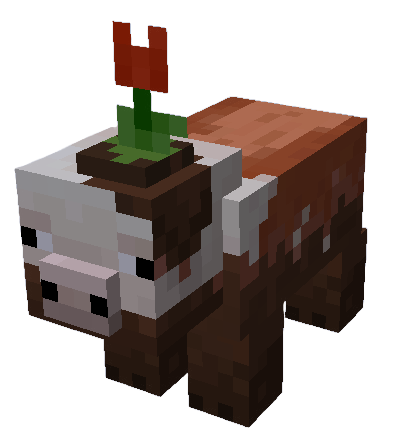
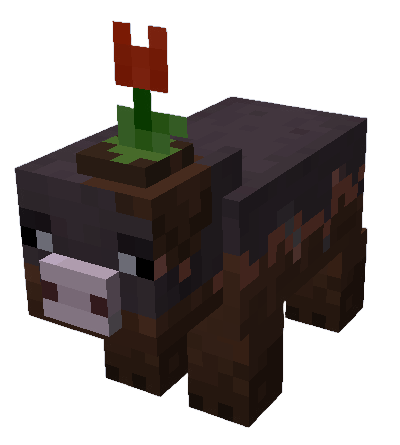
干燥状态:
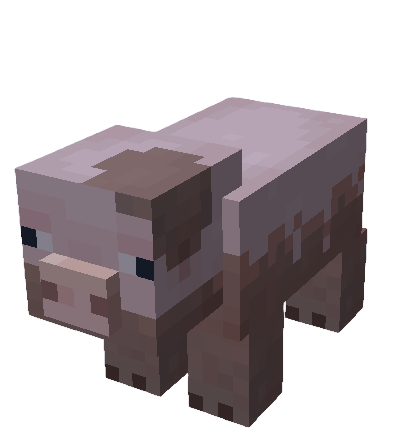
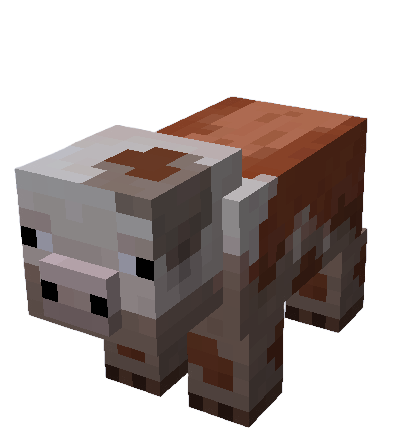
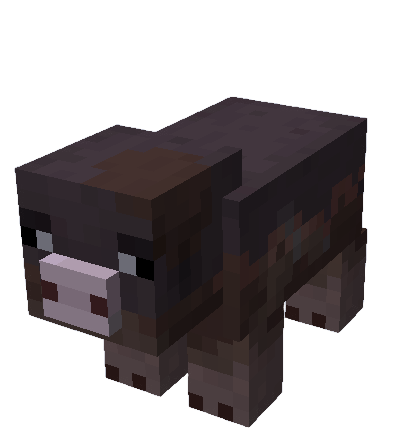
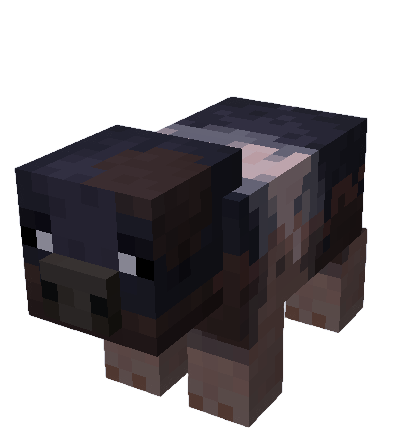
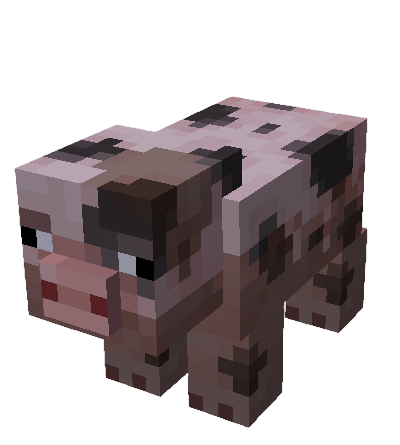
? Mud (fluid)
从泥桶中倒出,泥是一种浓稠的流体,不会自然生成。它密度大且减速任何涉水而过的生物,在你 submerged(沉浸/淹没)时严重遮挡视线,并且会从边缘滴落。将泥倒在熔岩上(或将熔岩倒在泥上)会将其转化为泥土。
当猪看到泥巴时,它们会跑进去并把自己盖住。每种猪变种都有对应的泥泞版本,泥泞的猪头上有几率长出一朵花。泥泞的猪比干燥或普通的猪移动得更快。如果离开泥巴一段时间,它们会变干;碰到水则会被洗净。
羊驼
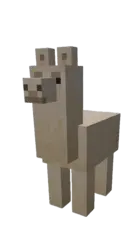
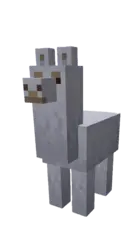
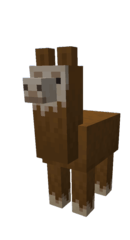
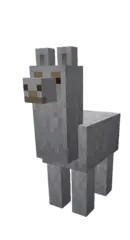
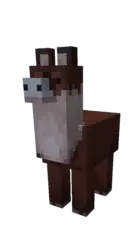
长角:是
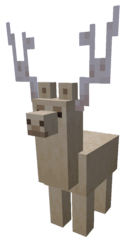
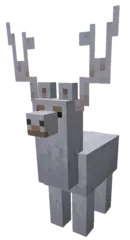
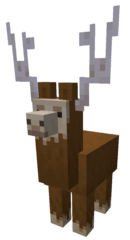
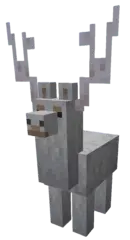
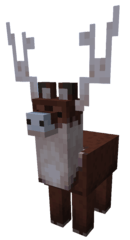
变种 0-4,每种也都提供 长角:是 选项。商人羊驼适用相同的变种。长角基因来自山羊,可以通过 DNA 编辑应用于羊驼后代;长角羊驼不会自然生成。
鹦鹉幼崽


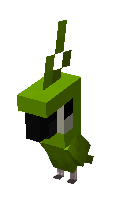
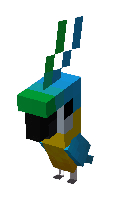
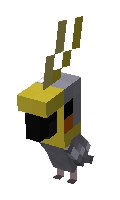

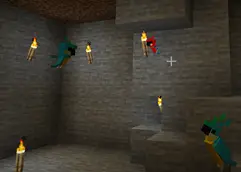
鹦鹉现在可以 繁殖:用苹果喂食它们以进行繁殖。
基因机器人


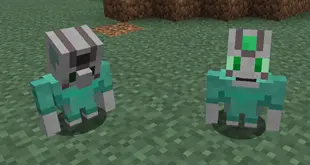
基因机器人是一种神秘的技师机器人,仅发现于 实验室废墟 中,处于停用状态。它们由 绿宝石 驱动:使用绿宝石右键点击它以激活它,让它听从你的指令。可以使用 刀 右键点击来停用活跃的基因机器人,从而掉落其持有的绿宝石。一旦停用,你就不再拥有它,下一个喂它绿宝石的人将成为其新主人。
基因机器人用于激活 连接方块 以配合 DNA 编辑器使用。要将基因机器人连接到连接方块,请给它一张包含有效位置信息的 连接卡(潜行 + 右键交出卡片),然后右键发出连接命令。
DNA 编辑器设置:
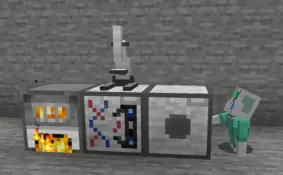
基因机器人还可以配合显微镜自动化提取细胞:给基因机器人一张 显微镜卡(包含输入、输出和显微镜的位置信息)并发出命令。
? 读取基因机器人状态: 正常工作的基因机器人头顶上方会显示一个 聊天气泡,展示它当前需要的事物或正在执行的操作:所需物品、陷入停滞或等待时的问号等。观察气泡有助于诊断停滞的自动化装置。
空闲的基因机器人(无命令)持有的绿宝石颜色较 暗;一旦你给它下达命令,绿宝石就会变亮。如果基因机器人持有卡片,请使用空手潜行 + 右键将其取下。作为机器人,基因机器人 无法繁殖且没有 DNA。
掉落物:
? 操作指南
? 手动提取动物细胞
- 使用 刀 右键点击生物以收集 生物样本。
- 将样本与 显微镜载玻片 合成,制作成 带有样本的显微镜载玻片(每张可容纳 1 到 4 个细胞)。
- 放置一台 显微镜 并安装 小透镜(用小透镜右键点击显微镜)。
- 将载玻片放入显微镜的槽位并打开其 GUI。手持 巴氏滴管 和 培养皿,点击某个细胞以收集 动物细胞。
- 重复上述步骤直到样本用完。此时动物细胞已准备好用于 克隆机(进行克隆)或 DNA 提取器(提取其 DNA)。
? 使用基因机器人自动化提取
- 搭建工作站:放置一个装有带有样本的载玻片和巴斯德移液管与培养皿的输入箱、一台显微镜和一个输出箱。
- 制作显微镜卡:右键点击输入箱,潜行 + 右键点击输出箱,然后右键点击显微镜以存储这三个位置。
- 激活基因机器人 (Genebot):使用绿宝石激活它,手持卡片潜行 + 右键点击它,然后右键点击以发出指令。
- 基因机器人会获取载玻片和移液管,操作显微镜,并将完成的动物细胞掉落至输出箱中。如果它停滞不前,请检查其聊天气泡;它会明确显示所需物品。
? 物品
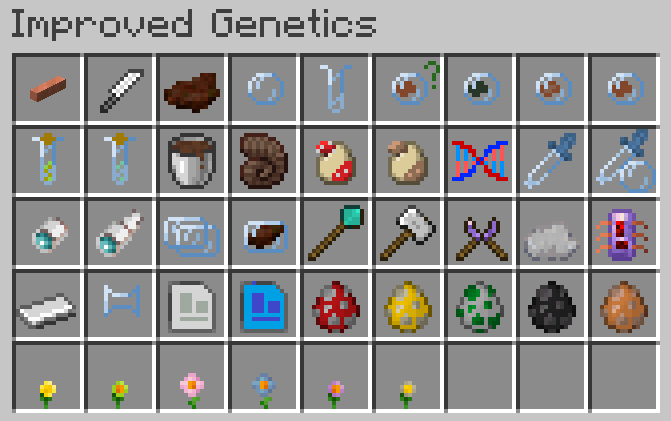
- 铜线:在自愈合网络中传输能量(FE)。它既能从相邻的发电机/电池拉取电力,也能向机器推送电力,因此可与任何 FE 模组(如 Mekanism、Thermal 等)兼容。当你放置、破坏或重新加载线路时,网络会自动重建,不会留下幽灵连接。⚡ 警告: 在传输电力时,电线会产生火花并处于通电状态:触碰带电的电线会对任何生物造成电击伤害,伤害量随流经能量的多少而增加,且高负载会将你击退。(基因机器人对此免疫;它们是为此而建造的。)
- 刀:一种方便的工具,用于通过右键点击实体来收集生物样本。无法对基因机器人进行采样;右键点击活跃的基因机器人只会掉落其绿宝石并使其停用。
- 生物样本:当你手持刀右键点击实体时掉落的生物的一部分。将其放入载玻片中,然后使用小镜头显微镜从中提取动物细胞。
- 培养皿:一些机器和合成配方所需的基础实验室工具。
- 试管:一些机器和合成配方所需的基础实验室工具。
- 未知动物细胞:尚未实现。
- 死细胞:尚未实现。
- 空动物细胞:不含 DNA 的动物细胞。在 DNA 提取器中提取动物细胞的 DNA 后获得。DNA 注入器需要它来进行 DNA 注入。
- 动物细胞:用于提取 DNA。在使用带有样本的载玻片从显微镜中提取细胞时,由小镜头显微镜获得。也可用于克隆机中克隆实体。
- DNA:无法直接在 DNA 编辑器中编辑;需先在分析仪中进行分析。可直接用于 DNA 注入器中以注入空动物细胞。
- 已分析 DNA:经过处理的 DNA 版本,准备好用于高科技 DNA 编辑器。你可以直接从工具提示中读取其基因。也可用于 DNA 注入器。
- 桶装泥浆:泥浆会让猪变得泥泞。泥浆不会自然生成,但你可以合成桶装泥浆。(关于该流体的行为,请参阅上方的泥浆部分。)
- 角:从有角的绵羊身上掉落。你可以吹奏它!
- 红蘑菇蛋:由红色菌菇鸡产下。投掷给具有蘑菇形态的实体,会触发红色类型的变态发育并施加一些效果。
- 棕蘑菇蛋:由棕色菌菇鸡产下。投掷给具有蘑菇形态的实体,会触发棕色类型的变态发育并施加一些效果。
- 基因:存储特定的遗传性状,如速度、力量或不育性。
- 巴斯德移液管:一些机器和合成配方所需的基础实验室工具。
- 巴斯德移液管与培养皿:用于在显微镜 GUI 中收集动物细胞。
- 小镜头:将其安装在显微镜上以提取动物细胞。你不能用这个镜头编辑 DNA。
- 大镜头:将其安装在 DNA 编辑器设置中的显微镜上以编辑 DNA。你不能用这个镜头提取动物细胞。
- 载玻片:将生物样本放在载玻片上,以便提取动物细胞。
- 带有样本的载玻片:可在小镜头显微镜下直接使用。每个样本包含 1 到 4 个动物细胞。一旦收集完所有细胞,就不会再有其他反应,因此请勿将耗尽的样本与满样本存放于一起,否则你会疑惑为何样本是空的。
- 玻璃切割器:用于从玻璃中制造镜头的工具。
- 锤子:用于制造铁板的工具。
- 剪线钳:用于制造铜线的工具。
- 硅:用于合成基于塑料的产品(如巴斯德移液管)的合成材料。通过熔炼下界石英获得。
- 电路:基因机器人卡片的合成材料。
- 铁板:几种配方的合成材料。
- 镜头:使用玻璃切割器制作。是大镜头和小镜头的合成材料。
- 连接卡:右键点击连接块以存储其位置。潜行 + 右键点击基因机器人以递送卡片。手持卡片时,右键点击基因机器人以发出连接指令,或潜行 + 手持空手右键点击以收回卡片。(如果存储的位置不再有效,基因机器人将不会尝试连接。)
- 显微镜卡:右键点击输入存储方块,潜行 + 右键点击输出存储方块,然后右键点击显微镜以存储这三个位置。潜行 + 右键点击基因机器人以递送卡片。手持卡片时,右键点击以发出指令,或潜行 + 手持空手右键点击以收回卡片。
- 刷怪蛋:菌菇鸡、牛花、基因机器人、火山牛和毛牛的刷怪蛋。
- 花朵:基础花朵,部分来自 Minecraft Earth,部分新增以匹配某些变体的颜色。
⚙️ 机器
此模组添加了多种用于修改和克隆实体的方块。所有机器(以及铜线)均使用FE,并与其他 FE 模组双向兼容:你可以使用任何 FE 发电机为其供电,或使用发电机和线路为其他模组的机器供电。
发电机
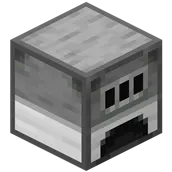
一种基础能源生产装置,可燃烧煤炭、木炭和煤块。它从左侧输出能量。
显微镜
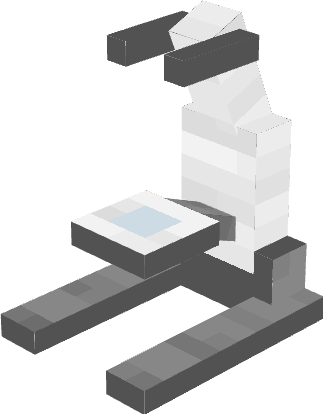
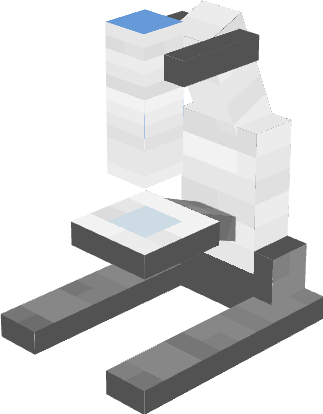
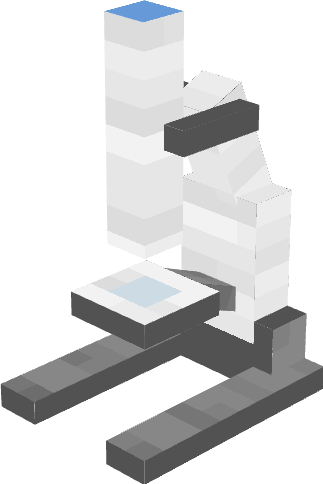
细胞提取器已被显微镜取代。安装小透镜后,它可以提取动物细胞:在显微镜 GUI 中手持“巴斯德移液管与培养皿”点击细胞即可。若用于 DNA 编辑器设置,请将大透镜显微镜放置在 DNA 编辑器上方以启用编辑功能。大透镜显微镜无法单独使用。右键点击显微镜可安装透镜;潜行+右键点击可拆卸透镜。
DNA 提取器

将动物细胞中的 DNA 提取到试管中,每次操作消耗一份 DNA 提取溶液。
分析仪
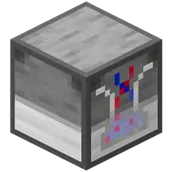
分析来自 DNA 提取器的 DNA,并为其在 DNA 编辑器中的使用做准备。
DNA 编辑器

无法合成;仅在实验室废墟中找到。用于编辑和自定义已分析的 DNA。它需要足够的电力、右侧的激活的连接方块以及上方的大透镜显微镜。如果缺少其中任何一项,它将无法工作。
连接方块
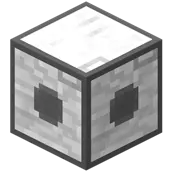
DNA 编辑器的关键组件。无法合成;仅在实验室废墟中找到。激活方法:使用连接卡存储其位置,将卡片交给基因机器人(Genebot),并发出 connect 命令。⚡ 通电/连接后,其表面会有蓝色脉络脉动。
DNA 注射器

将 DNA(无论是否经过分析)注入空动物细胞中,为克隆机做好准备。
克隆机

需要在顶部放置储罐才能运行;它利用储罐使动物细胞发育成后代。克隆不需要进行 DNA 编辑;你可以直接使用显微镜提取的动物细胞进行克隆。
储罐

克隆机的一个组成部分,在羊水中保护和培育胚胎。
?️ 结构
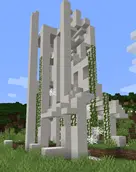

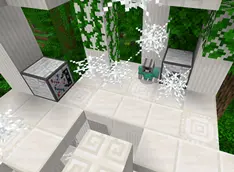
实验室废墟 这些废弃的实验室拥有自己的故事,但你将在 Improved Genetics V2: Prehistoric Update 发布时得知详情。它们是获取DNA 编辑器、连接方块和基因机器人的唯一途径。
特别感谢
- Bullet_Phobia:提供部分素材
- FeastofWinds:负责结构设计
由 CreepSkeet 制作
This mod adds a full DNA mechanic for living entities, letting you create modified offspring through a set of custom machines. It also introduces several new mobs and features inspired by Minecraft Earth.
? Translations:
- English (default)
- Turkish: CreepSkeet
- Russian: kazmurenko
- Polish, Portuguese (BR), Spanish, Arabic, Chinese (Simplified): machine-translated with AI*
*The AI-assisted translations may contain mistakes. Corrections are very welcome!
? DNA Mechanic
Every entity carries genetic values that define it: max health, movement speed, drop counts, appearance, and more. The only way to reveal an entity's genes is to extract and analyze its DNA. With the DNA Editor you can customize your own creatures, or you can clone them directly with the Cloning Machine. To customize a trait, you first need to find the specific gene that controls it.
? Breeding
Breeding is a core part of the mod. Since you can't find every gene in nature, you need to breed species to push their genes further. (The Health Multiplier and Speed Modifier genes are the clearest example of this.)
? DNA & Genes
Genes fall into two groups: core genes and additional genes. Core genes exist on every living entity. Additional genes are specific to certain entity types.
Any mob not listed in this page has just one species. For example, a Rabbit is always Rabbitus Zertus; there is no Rabbitus Firstus.
? Core Genes
Genus Genus is the base of the DNA and cannot be changed. All entities have a scientific name made of a genus and a species. For example, a sheep's scientific name is Sheepus Zertus. If you want a Cowus genus DNA, you must get it from an entity that belongs to the Cowus genus: a Cow, Mooshroom, Moobloom, or Volcow.
Species Species determines an entity's identity. Genus and species are interrelated. By editing DNA you can change the species of the offspring, but never its genus. Consider a DNA with genus Cowus and species Zertus: because its species is Zertus, it's a vanilla Cow. Change the species from Zertus to Firstus and that same Cow DNA will produce a Mooshroom.
Health Multiplier An integer that determines an entity's maximum health. For example, a sheep's default max health is 8. If its Health Multiplier is 11, its max health becomes Default Max Health × 11/10 = 8 × 11/10 = 8.8 (10% more health than a standard sheep). In nature, Health Multiplier ranges from 8 to 12; through breeding this range widens to 6 to 20. To calculate the offspring's Health Multiplier, the average of the parents' values is taken and then multiplied by either 0.9 or 1.1 (50% each). Any decimal part is discarded. Example: Parent A = 12 and Parent B = 12. The offspring has a 50% chance of ((12 + 12)/2) × 0.9 = 10.8 → 10, or a 50% chance of ((12 + 12)/2) × 1.1 = 13.2 → 13. A Health Multiplier of 13 can't be found in nature, only obtained through breeding.
Speed Modifier An integer that increases or decreases movement speed. For example, a Chicken's default movement speed is 0.25. If its Speed Modifier is +2, its speed becomes Default Speed + Speed Modifier/100 = 0.25 + 2/100 = 0.252. In nature, Speed Modifier ranges from -2 to +2; through breeding it extends to -5 to +5. To calculate the offspring's Speed Modifier, the average of the parents' values is taken, then there is a 33% chance it is increased by 1, decreased by 1, or left unchanged. Any decimal part is discarded. Example: Parent A = -2 and Parent B = -2. The offspring has a 33% chance of ((-2-2)/2) = -2, or ((-2-2)/2) + 1 = -1, or ((-2-2)/2) - 1 = -3. A Speed Modifier of -3 can't be found in nature, only obtained through breeding.
Drop Multiplier An integer that determines drop counts. It's either 1 (default) or 2 (very rare). A Drop Multiplier of 2 doubles the entity's drops (great for mob farms). Drop Multiplier only affects death loot.
Can Breed Determines whether the entity is able to breed at all.
? Additional Genes
- Variant: Determines the skin of the entity. Exists on parrots, rabbits, horses, llamas, cows, sheep, frogs, and more.
- Normal Max Health: Exists on horse, llama, donkey, mule, zombie horse, skeleton horse, and trader llama. Because these mobs use vanilla health inheritance, this gene stores the base value used to calculate the offspring's health. The Health Multiplier is applied on top of this value.
- Normal Speed: Same mobs as above. Stores the base movement speed used for offspring calculation; the Speed Modifier is applied on top of it.
- Jump Strength: Same mobs as above. Stores the base jump strength used for offspring calculation.
- Strength: Present on creepers and llamas. On llamas it sets the number of chest slots; on creepers it sets the explosion radius. The default vanilla creeper strength is 2, and in nature you'll only find creepers with a strength of 2. To change a creeper's explosion radius, take a different strength gene from a llama.
- Main Gene: Stores a panda's main gene. Also present on polar bears (same genus) but has no effect there.
- Hidden Gene: Stores a panda's hidden gene. Also present on polar bears (same genus) but has no effect there.
- Markings: Affects horse markings, sheep fur types (not color), tropical fish patterns, and more.
- Size: Determines the size of tropical fish.
- Color: Affects the color of dyeable entities such as sheep, goats (this mod makes goats dyeable), and the pattern color of tropical fish.
- Horned: Present on goats, sheep, and llamas. Determines whether the mob has horns (true/false). Only goats carry the "true" gene in nature; add it to a sheep or llama to make a horned sheep or horned llama.
- Exotic: Present on chickens only (true/false). A newborn chicken has a ~0.3% (1 in 333) chance to be exotic. The Exotic gene is inherited only through seed breeding; eggs never pass it on. An exotic chicken has a crest and tail, like the fancy chicken from Minecraft Earth.
? Mobs
New mobs and new vanilla variants are listed below. Not every possible combination is shown; there are far too many, so explore and discover the rest yourself!
Sheep
Sheep have 4 additional genes. By combining them you can create 8 × 8 × 16 × 2 = 2048 unique sheep!
- Variant: the sheep's skin variant. Range: [0-7]
- Markings: the fur variant. Range: [0-7]
- Color: the sheep's color; works even when the sheep has a fur variant. Range: [0-15]
- Horned: whether it has horns. [true, false]
For reference:
- Vanilla Sheep (Variant: 0, Markings: 0)
- Flecked Sheep (Variant: 1, Markings: 1)
- Fuzzy Sheep (Variant: 2, Markings: 2)
- Inky Sheep (Variant: 3, Markings: 3)
- Long Nosed Sheep (Variant: 4, Markings: 4)
- Patched Sheep (Variant: 5, Markings: 5)
- Rainbow Sheep (Variant: 6, Markings: 6)
- Rocky Sheep (Variant: 7, Markings: 7)
- Example combination: a Flecked sheep with the Fuzzy fur pattern (Variant: 1, Markings: 2). To make it pink, add a Color: 6 gene.
⚠️ Dropped wool color is defined by the Color gene; fur marking genes don't affect wool color.
⚔️ Horned sheep are not harmless. A horned sheep defends itself: when attacked it becomes enraged, alerts nearby sheep, and rams its target with its horns, chasing down players and mobs alike. Breed or edit horns onto your sheep at your own risk.
Drops:
- Normal sheep drops, plus 2 horns if the sheep is horned.
Cow
There are several cow variants (Variant: 0-7).
Moobloom
Variants 0-15. Spawns rarely in forest biomes, and can be obtained more easily by editing a cow's DNA. You can shear mooblooms (they drop a variant flower and regrow it when they eat grass). They leave a trail of their variant flowers as they walk. Right-click one with an empty bowl to milk a suspicious stew carrying the effect of that variant's flower. Bees pollinate mooblooms just like flowers and follow them around while doing so. When lightning strikes a moobloom, its variant shifts to the next one. In nature, variants 12 (Brown), 13 (Green), 14 (Red), and 15 (Black) don't spawn; they can only be obtained through the lightning-strike transformation.
Drops:
- 0-2 Leather
- 1-3 Raw Beef
- 0-1 Variant Flower
Wooly Cow
Variants 0-1. Aside from being shearable, the Wooly Cow behaves exactly like a normal cow.
Volcow
A new cow type that produces lava. Spawns rarely in Crimson and Warped Forests. It carries two small volcanoes on its back, each holding half a bucket of lava. When both are full, right-click it with an empty bucket to take a bucket of lava. It refills its volcanoes by eating grass (like a sheep), and needs to eat twice to fill up completely. When full, its lava glows in the dark. Volcows are fire-immune, and because they're so heavy they take reduced knockback. Right-click with an empty bowl to milk a suspicious stew that grants Fire Resistance (5s).
Drops:
Chicken
Exotic: True
Variants 0-7, each available in normal and Exotic forms. Exotic genes are not inherited by laying eggs, but can be passed on through breeding with seeds. Every variant lays its matching variant egg.
Cluckshroom
Variants 0-1. Doesn't spawn naturally; only obtainable by editing a chicken's DNA. Cluckshrooms seek out dark areas; caught in direct sunlight, a cluckshroom panics and runs around wildly until it's back in shade. Shear it like a mooshroom to make it drop mushrooms of its variant (red/brown) and revert to a normal chicken. They leave a trail of their mushrooms as they walk, and lay mushroomed eggs (red/brown). Throwing a mushroomed egg at an entity that has a mushroom form triggers a metamorphosis matching the egg's type.
Drops:
- Mushroom
- Raw Chicken
- Feather
Pig
Variants 0-6. See Mud below for muddy pig behavior.
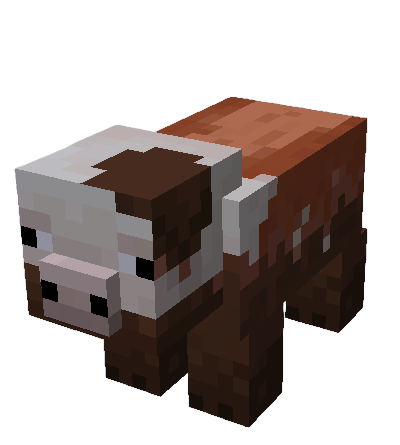
Muddy States:
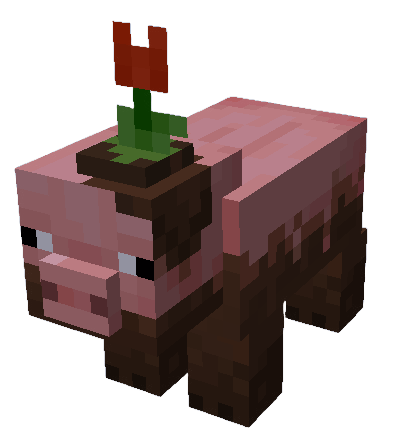
Dried States:
? Mud (fluid)
Poured from a Bucket of Mud, mud is a thick fluid that doesn't generate naturally. It's dense and slows anything wading through it, fogs your view heavily while you're submerged, and drips from ledges. Pouring mud onto lava (or lava onto mud) turns it into dirt.
When pigs see mud, they run into it and cover themselves. Each pig variant has its own muddy version, and muddy pigs have a chance to sprout a flower on their head. Muddy pigs move faster than dry or normal pigs. Left out of the mud for a while they dry off, and touching water washes them clean.
Llama
Horned: True
Variants 0-4, each also available with Horned: True. The same variants apply to trader llamas. Horned genes come from goats and can be applied to llama offspring through DNA editing; horned llamas don't spawn naturally.
Baby Parrot
Parrots are now breedable: feed them apples to breed.
Genebot
Genebots are mysterious technician robots found only in Lab Ruins, in a deactivated state. They run on emeralds: right-click one with an emerald to activate it and have it follow your commands. An active Genebot can be deactivated by right-clicking it with a knife, dropping its emerald. Once deactivated you no longer own it, and whoever feeds it an emerald next becomes its owner.
Genebots are required to activate Connection Blocks for the DNA Editor. To connect a Genebot to a Connection Block, give it a connection card holding a valid position (sneak + right-click to hand over a card), then right-click to issue the connect command.
DNA Editor Setup:
Genebots can also automate cell extraction with a microscope: give the Genebot a microscope card (holding the input, output, and microscope positions) and issue the command.
? Reading a Genebot: A working Genebot shows a chat bubble above its head displaying what it currently needs or is doing: a required item, a question mark when it's stuck or waiting, and so on. Watch the bubble to diagnose a stalled automation setup.
An idle Genebot (no command) has a darker emerald; once you give it a command the emerald brightens. If a Genebot holds a card, sneak + right-click with an empty hand to remove it. As robots, Genebots cannot breed and have no DNA.
Drops:
- If it was activated, it drops its emerald.
- If it holds a card, it drops that too.
? How-To Guides
? Extracting Animal Cells (manual)
- Right-click a creature with a Knife to collect a Creature Sample.
- Combine the sample with Microscope Slides to make Microscope Slides with Sample (each holds 1 to 4 cells).
- Place a Microscope and attach a Small Lens (right-click the microscope with the lens).
- Put the slides into the microscope's slot and open its GUI. While holding Pasteur Pipette and Petri Dish, click a cell to collect an Animal Cell.
- Repeat until the sample runs out. The Animal Cell is now ready for a Cloning Machine (to clone) or a DNA Extractor (to pull its DNA).
? Automating Extraction with a Genebot
- Build the station: an input chest stocked with Microscope Slides with Sample and Pasteur Pipette and Petri Dish, a Microscope, and an output chest.
- Make a Microscope Card: right-click the input chest, sneak + right-click the output chest, then right-click the microscope to store all three positions.
- Activate a Genebot with an emerald, sneak + right-click it with the card, then right-click to issue the command.
- The Genebot fetches slides and pipettes, works the microscope, and drops the finished Animal Cells into the output chest. If it stalls, check its chat bubble; it shows exactly what it needs.
? Items
- Copper Wire: Transfers energy (FE) across a self-healing network. It both pulls power from adjacent generators/batteries and pushes it to machines, so it works with any FE mod (Mekanism, Thermal, etc.). Networks rebuild automatically as you place, break, or reload wires, leaving no ghost connections behind. ⚡ Warning: while transmitting power, wires spark and go live: touching an energized wire electrocutes any living creature, with damage scaling to how much energy is flowing, and heavy loads throw you off. (Genebots are immune; they're built for it.)
- Knife: A handy tool for collecting creature samples from entities on right-click. You can't sample a Genebot; right-clicking an active one just drops its emerald and deactivates it.
- Creature Sample: A piece of a creature, dropped when you right-click an entity with a Knife. Put it in Microscope Slides, then extract an animal cell from it using a small-lens microscope.
- Petri Dish: A basic lab tool needed by some machines and crafting recipes.
- Test Tube: A basic lab tool needed by some machines and crafting recipes.
- Unknown Animal Cell: Not implemented yet.
- Dead Cell: Not implemented yet.
- Empty Animal Cell: An Animal Cell without DNA. Obtained from the DNA Extractor after extracting an Animal Cell's DNA. The DNA Injector needs it to inject DNA into.
- Animal Cell: Needed to extract DNA. Obtained from a small-lens microscope when extracting a cell from a Microscope Slide with Sample. Can also be used in the Cloning Machine to clone entities.
- DNA: Can't be edited directly in the DNA Editor; analyze it in the Analyzer first. It can be used directly in a DNA Injector to inject into an empty animal cell.
- Analyzed DNA: A prepared version of DNA, ready for the high-tech DNA Editor. You can read its genes straight from the tooltip. Also usable in a DNA Injector.
- Bucket of Mud: Mud makes pigs muddy. Mud doesn't generate naturally, but you can craft a Bucket of Mud. (See the Mud section above for the fluid's behavior.)
- Horn: Drops from horned sheep. You can play it!
- Red Mushroomed Egg: Laid by red cluckshrooms. Thrown at an entity that has a mushroom form, it triggers a red-type metamorphosis and applies some effects.
- Brown Mushroomed Egg: Laid by brown cluckshrooms. Thrown at an entity that has a mushroom form, it triggers a brown-type metamorphosis and applies some effects.
- Gene: Stores a specific genetic trait such as speed, strength, or infertility.
- Pasteur Pipette: A basic lab tool needed by some machines and crafting recipes.
- Pasteur Pipette and Petri Dish: Used to collect an animal cell in the microscope GUI.
- Small Lens: Attach it to a microscope to extract animal cells. You can't edit DNA with this lens.
- Big Lens: Attach it to a microscope in a DNA Editor setup to edit DNA. You can't extract animal cells with this lens.
- Microscope Slides: Put a creature sample onto slides to be able to extract animal cells.
- Microscope Slides with Sample: Ready to use under a small-lens microscope. Each sample contains 1 to 4 animal cells. Once all cells are collected nothing else happens, so don't store depleted samples next to full ones or you'll wonder why a sample is empty.
- Glass Cutter: Tool for crafting lenses from glass.
- Hammer: Tool for crafting iron plates.
- Wire Cutter: Tool for crafting copper wire.
- Silicon: Crafting ingredient for plastic-based products like the Pasteur Pipette. Obtained by smelting nether quartz.
- Circuit: Crafting ingredient for Genebot cards.
- Iron Plate: Crafting ingredient for several recipes.
- Lens: Crafted with a Glass Cutter. A crafting ingredient for the Big Lens and Small Lens.
- Connection Card: Right-click a Connection Block to store its position. Sneak + right-click a Genebot to hand it the card. With the card in hand, right-click the Genebot to issue the connect command, or sneak + right-click with an empty hand to take the card back. (If the stored position is no longer valid, the Genebot won't attempt to connect.)
- Microscope Card: Right-click an input storage block, sneak + right-click an output storage block, and right-click a microscope to store all three positions. Sneak + right-click a Genebot to hand it the card. With the card in hand, right-click to issue the command, or sneak + right-click with an empty hand to take it back.
- Spawn Eggs: Spawn eggs for Cluckshroom, Moobloom, Genebot, Volcow, and Wooly Cow.
- Flowers: Basic flowers, some from Minecraft Earth and some added to give certain variant colors a matching flower.
⚙️ Machines
This mod adds several blocks for modifying and cloning creatures. All machines (and copper wires) use FE and interoperate both ways with other FE mods: power them from any FE generator, or use the Generator and wires to feed other mods' machines.
Generator
A basic energy producer that burns coal, charcoal, and coal blocks. It outputs energy from its left side.
Microscope
The Cell Extractor was replaced by the Microscope. With a small lens attached, it extracts animal cells: click a cell while holding "Pasteur Pipette and Petri Dish" in the microscope GUI. For a DNA Editor setup, place a big-lens microscope on top of the DNA Editor to enable editing. A big-lens microscope can't be used on its own. Right-click a microscope with a lens to attach it; sneak + right-click to detach.
DNA Extractor
Extracts DNA from an animal cell into a test tube, consuming a DNA Extraction Solution each time.
Analyzer
Analyzes DNA from the DNA Extractor and prepares it for use in the DNA Editor.
DNA Editor
Cannot be crafted; found only in Lab Ruins. Used to edit and customize analyzed DNA. It needs enough power, an activated Connection Block on its right side, and a big-lens microscope on top. If any of these are missing, it won't work.
Connection Block
Essential for the DNA Editor. Cannot be crafted; found only in Lab Ruins. To activate it: store its position with a connection card, hand the card to a Genebot, and give the connect command. ⚡ When powered/connected, blue veins pulse across its surface.
DNA Injector
Injects DNA (analyzed or not) into an Empty Animal Cell, preparing it for the Cloning Machine.
Cloning Machine
Requires a Tank on top to function; it uses the tank to grow an offspring from an Animal Cell. DNA editing isn't required to clone; you can clone directly from an animal cell extracted with a microscope.
Tank
A subpart of the Cloning Machine that protects and nurtures the embryo in its amniotic fluid.
?️ Structures
Lab Ruins These abandoned labs have a story, but you'll learn it when Improved Genetics V2: Prehistoric Update releases. They are the only place to obtain the DNA Editor, Connection Block, and Genebots.
Special Thanks
- Bullet_Phobia: for some assets
- FeastofWinds: for structures
Made by CreepSkeet


 模组

 模组

 模组
 模组

 模组
 模组
评论 0
登录后参与评分
还没有评论,来抢沙发吧