watermint satoyama
种植收获。烹饪美食。打造家园。
日本語: 一款面向 Fabric 的模组,将日本里山的日常生活带入 Minecraft。您可以体验水稻种植、果树栽培、味噌・酱油・豆腐・面条制作、170 多种寿司和拉面等料理、陶艺、榻榻米与障子・瓦片屋顶的房屋建造、たたら製铁(高床式炼铁)以及刀剑与忍者道具的制作,还能邂逅里山的动物与鱼类。详情请参阅官方网站与Wiki。
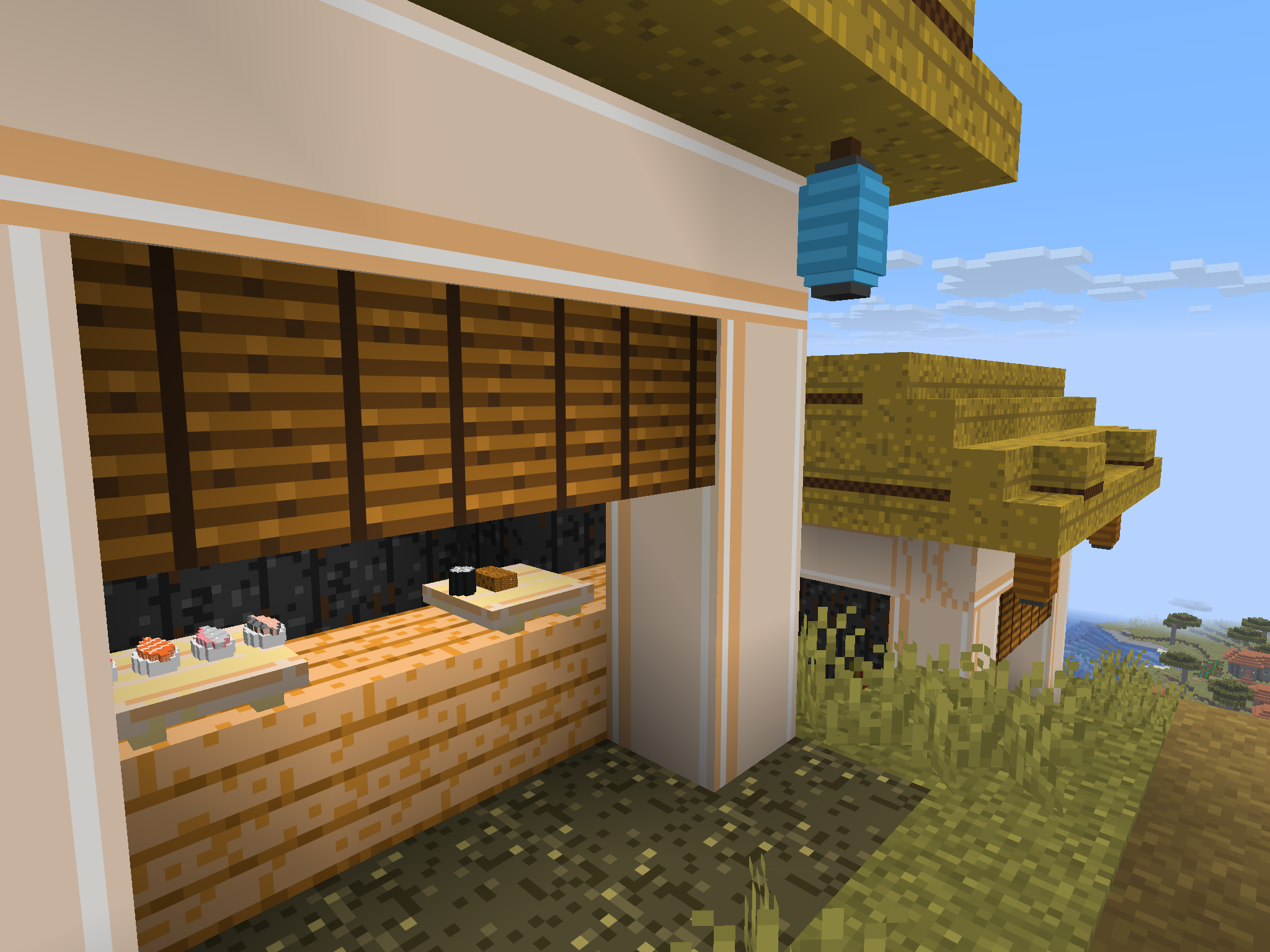
将日本乡村的日常乐趣带入 Minecraft。照料稻田与果树,将丰收转化为日式家常美味,在田野、林地和水边之间建造属于你自己的温馨家园。
Satoyama 是人类与自然共存的景观:由世代悉心呵护而形成的农田、经营管理的林地以及水岸栖息地。这一理念是本模组的核心——随着你的照料,周围环境会变得更加丰富。
概览
- 农业: 稻田、50 多种蔬菜、谷物和香草、在支架、网和棚架上攀爬的藤蔓,以及从梅、柚子、柿子到芒果和荔枝的果园树木。
- 烹饪: 170 多道菜,包括寿司、饭团、拉面、乌冬面、荞麦面、天妇罗、盖饭、便当、麻糬和团子,以及来自北海道至冲绳的地方家常菜。
- 从零开始的日式厨房常备品: 味噌、酱油、味醂、醋、出汁、纳豆、腌菜、梅干、豆腐、新鲜面条、压榨油和海盐。
- 陶艺: 在拉坯机上塑造粘土,烧制成备前烧、信乐烧、织部烧、唐津烧、萩烧或八重山烧陶器。
- 建筑: 瓦片和茅草屋顶、灰泥与土墙、榻榻米、障子、襖、炉端(irori)、被褥、行灯、提灯和竹篱笆。
- 服装与携带: 浴衣、祭典用的半缠、草帽、可穿戴的背篓以及可升级的储物口袋,均可染色。
- 武士钢与忍者工具: 在たたら炉中冶炼玉钢并锻造打刀或薙刀,或者装备忍刀、手里剑、铁蒺藜和全套黑色忍者服化身忍者。
- 野生动物: 狸、梅花鹿、野猪、松鼠、雉鸡、鸣禽和海鸟,以及 13 种新的河流与海洋鱼类。
- 自动化友好: 炊具、工坊设备和收获物可与漏斗和发射器配合使用。
从田间到厨房
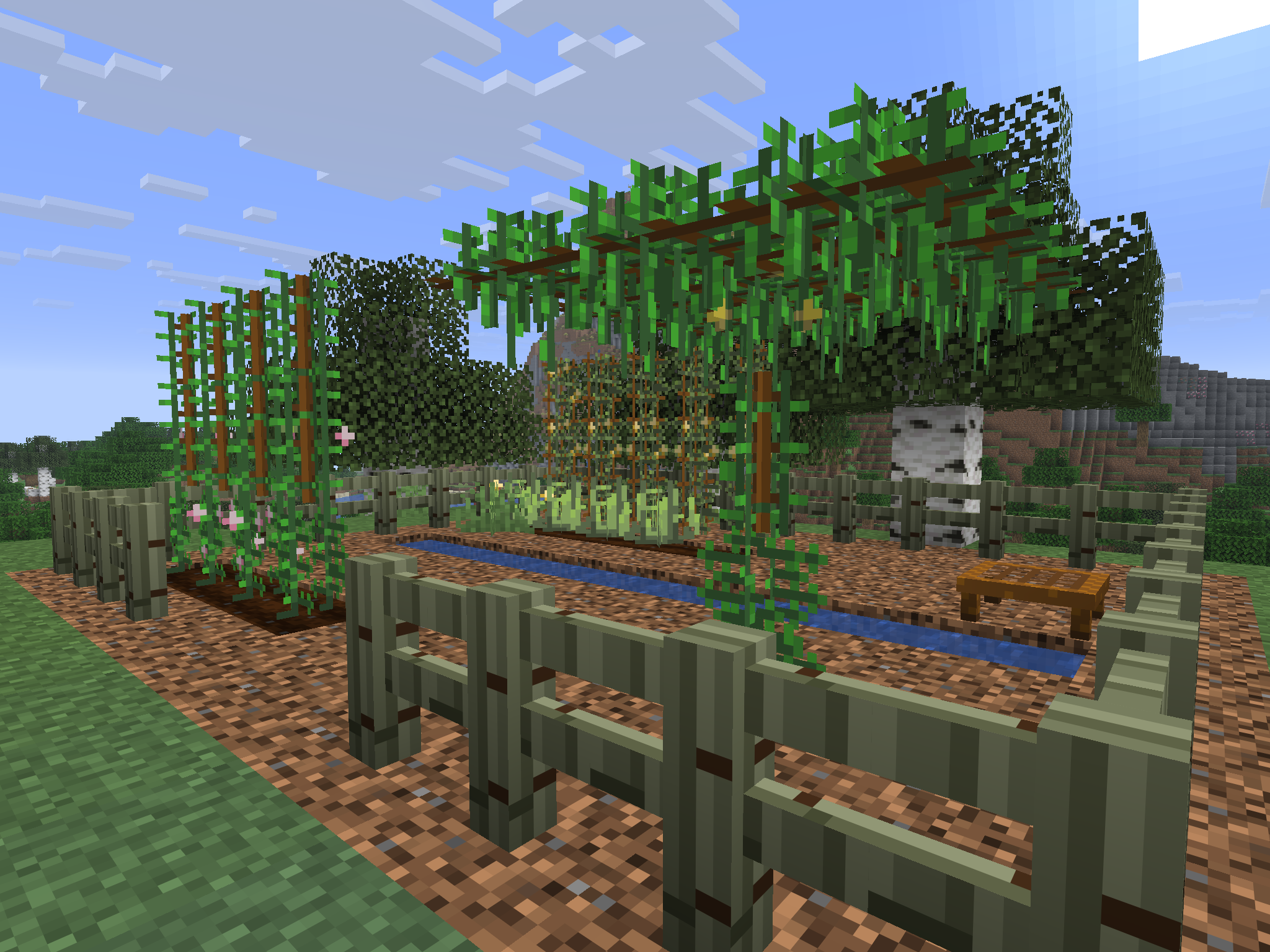
在水淹的稻田中种植水稻和莲花,并在田垄上种植萝卜、茄子、白菜、大豆、小豆、荞麦、芝麻、生姜、紫苏等更多作物。部分植物可多次收获而不必重新种植,叶类作物在收割后会再次生长。
为你的农场增加垂直空间。利用竹竿、网和棚架引导番茄、黄瓜、苦瓜、豌豆、山葡萄、百香果和紫藤向上攀爬,或培育高大的香蕉、木瓜和椰子植株。用腐叶土和火山灰土改良土壤,并种植梅、柚子、蜜橘、柿子、桃子、栗子、核桃、橄榄和茶树组成的果园。
农业不仅滋养厨房:稻草、芦苇、蒲草和棉花可用于制作茅草屋顶、榻榻米和布料。
Fields and Paddies guide
真正的厨房
烹饪超越了熔炉,扩展为拥有各种工具和炊具的厨房。在砧板上用刀切片,在擂钵中研磨,擦萝卜丝,在石臼中磨粉,并用杵臼捣制麻糬。然后选择你的炊具:三种尺寸的锅和平底锅、木制蒸笼、深炸锅、烤网和串烧架,所有炊具均可通过营火或土灶加热。
从煎蛋、烤三文鱼和一锅米饭开始。逐步进阶至味噌汤、唐扬鸡块、茶碗蒸、肉煮土豆、亲子丼、牛丼、御好烧、烤鸡肉串、握寿司、天妇罗和四种拉面。探索来自日本各地的地方菜肴,如冲绳的古巴杂炒、香川的什锦乌冬、福井的刨丝荞麦面和熊本的花莲莲藕。
The Kitchen guide · All Dishes
手工制作
以传统方式充实你的储藏室。
- 发酵与干燥: 种植米曲,让时间将大豆转化为味噌、酱油和纳豆。准备糠床制作腌菜,腌制自己的梅干,并在露天下的晾晒架上悬挂鱼、柿子和萝卜。
- 豆腐与盐: 浸泡、研磨、煮沸并压榨大豆制成豆浆,然后凝固成软豆腐、绢豆腐、木棉豆腐或冲绳岛豆腐。从海滩沙子中浸出卤水并熬煮制盐及点豆腐用的卤水,或在山中开采岩盐。
- 面条: 揉捏面团,擀成薄片,切割、挤出或拉伸成乌冬面、荞麦面、索麦面、拉面和米粉。
- 油、高汤和饮品: 压榨油菜籽、芝麻、荏胡麻和橄榄油,削鲣鱼花制作出汁,并将果园中的果汁装瓶。
Fermentation and Drying · Tofu and Salt Making · Noodle Making
陶艺与餐桌
在拉坯机上塑造粘土,制成大盘、小碟和碗。你在窑中加入的釉料和颜料决定了最终成品:备前烧、信乐烧、织部烧、唐津烧、萩烧或冲绳八重山烧陶器。
然后摆上餐桌。将你亲手烧制的碗中盛放拉面或盖饭,就地享用。在大盘上摆放配菜,在寿司格上放置寿司,或在托盘上呈现一汤一主菜两副菜的均衡餐食。用农产品箱和冰镇鲜鱼展示柜开设市场摊位。
Pottery and the Table guide
乡间家园
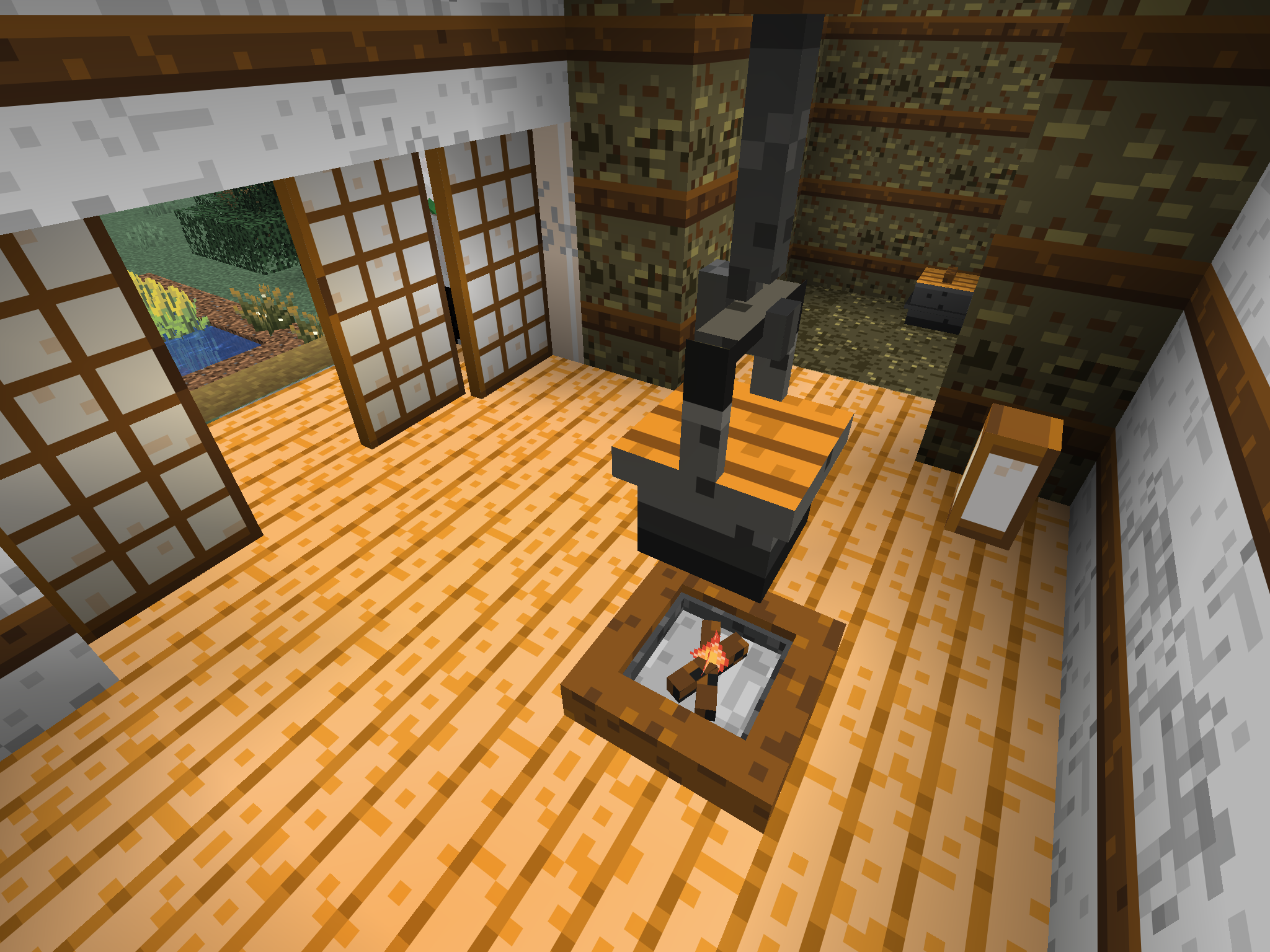
从零开始建造一座日式农舍。屋顶可选用稻草或芦苇葺顶,亦或采用三种地域色彩的烧制瓦片:银色的淡路瓦、近黑色的三州瓦以及红褐色的赤穗瓦。墙体可采用白色漆喰灰泥、泥土抹面、蛸皮砖饰或碳化杉木(Yakisugi),框架则使用方柱扁柏。方块会随时间推移而风化,茅草也会长出苔藓。
室内铺设榻榻米与夯土地面(Doma),推开障子、襖、格栅门及防风板,并在夏日烈日下悬挂竹帘。家具包括被褥、矮桌、行灯灯笼以及16种染色颜色的提灯。将铁锅悬挂于炉灶上方的铁钩上,起居与烹饪便在同一个空间中融为一体。
农舍与室内指南
服饰与背负
纺棉织布,制作浴衣、半缠和头巾,然后进行染色,用于日常穿着或夏日祭典。戴上由铜至下界合金分层强化的草帽,背上竹编背篓来搬运收获物。异世界口袋(Isekai Pocket)是一种便携式储物空间,可分阶段升级,且在每次升级后保留其中物品,通过单一按键即可开启。
服饰与背负指南
刀、薙刀与忍者工具
以古法打造日本钢。在河床中通过溜槽淘洗铁砂,在粘土田炉中用木炭冶炼,并将玉钢锻造成刀刃。打刀挥舞迅速但无法横扫。薙刀牺牲了速度以换取更长的攻击范围和横扫能力。
此外还有忍者的装备。忍具的设计初衷是为了脱身,而非赢得斗殴:
- 忍剑: 短而直的忍者刀。它是这三种武器中挥动最快的,还能助你翻越墙壁。
- 手里剑: 无需拔武器即可投掷的飞镖。它们更适合阻止追兵,而非彻底终结对手。
- 蒺藜(Makibishi): 撒在身后,刺痛并减缓任何追击者。
- 黑色忍者装束: 包含兜帽、上衣、袴和足袋,便于轻装移动。
每种武器都侧重权衡取舍而非单纯增加数值,因此战斗风格保持在原版惯例之内。
田炉与锻造 · 忍具与服饰
走出家门
景观充满生机。在林间邂逅狸猫、梅花鹿、野猪、鼬类和松鼠,观察麻雀、绣眼鸟、鹡鸰和圆滚滚的黑冠山雀成群穿梭于树丛间。鸬鹚在河中潜水,海鸥和鲣鸟在海滨俯冲。向狸猫提供饭团,或伸出橡果吸引松鼠靠近。
河流与海洋中栖息着香鱼、岩鱼、鲤鱼、鲷鱼、青花鱼、鰤鱼、鲣鱼和金枪鱼等,随时可制成盐烤串、刺身或握寿司。野生稻生长在沼泽中,野生大豆则分布在向日葵平原。寻找植物与野生动物指南展示了应前往哪些生物群系。
陆地动物与鸟类 · 水生生物 · 寻找植物与野生动物
专为自动化构建
炊具和工作台设备会自动吸入一批原料进行烹饪,并启动下一批。使用漏斗喂入和清空,让发射器操作切菜板,并使用手持镰刀或剪刀的发射器收割部分作物。洗涤溜槽和田炉也以相同方式连接,使得农场、厨房或铁工坊能够自动运行。
旨在融入 Minecraft 的体验
Satoyama 遵循 Vanilla+ 理念,在农业、烹饪、建筑和日常生活方面增加选择,同时保持战斗符合原版惯例。 wherever 现有原版食材代表相同的食物时会被复用,因此熟悉的农作物仍是你厨房的一部分。
安装与兼容性
satoyama 运行于 Minecraft: Java Edition 的 Fabric 加载器,且需要 Fabric API。对于多人游戏,需在客户端和服务端均安装。
支持的 Minecraft 版本、所需的 Fabric Loader 和 Fabric API 版本、JEI 集成以及逐步设置说明均在安装页面涵盖。
指南与项目信息
访问官方网站并浏览Wiki,获取关于农业、烹饪、制作、建筑和探索的指南。
根据 watermint satoyama EULA 分发。
watermint satoyama
Grow a harvest. Cook a meal. Make a home.
日本語: 日本の里山の暮らしをMinecraftに持ち込むFabric向けModです。稲作や果樹の栽培、味噌・醤油・豆腐・麺づくり、寿司やラーメンなど170種類以上の料理、焼き物、畳や障子・瓦屋根の家づくり、たたら製鉄と刀・忍者道具、里山の動物や魚との出会いを楽しめます。詳しい情報は公式サイトとWikiをご覧ください。
Bring the everyday pleasures of the Japanese countryside to Minecraft. Tend rice paddies and fruit trees, turn your harvest into Japanese comfort food, and build a cozy home of your own among fields, woodland, and water.
Satoyama is the landscape where people and nature live together: farmland, managed woods, and waterside habitats shaped by generations of care. That idea is at the heart of this mod—your surroundings become richer as you tend them.
At a glance
- Farming: rice paddies, more than 50 vegetables, grains, and herbs, climbing vines on stakes, nets, and trellises, and orchard trees from ume, yuzu, and persimmon to mango and lychee.
- Cooking: over 170 dishes, including sushi, onigiri, ramen, udon, soba, tempura, donburi, bento, mochi, and dango, plus regional home cooking from Hokkaido to Okinawa.
- Japanese pantry staples from scratch: miso, soy sauce, mirin, vinegar, dashi, natto, pickles, umeboshi, tofu, fresh noodles, pressed oils, and sea salt.
- Pottery: shape clay on a potter's wheel and fire it as Bizen, Shigaraki, Oribe, Karatsu, Hagi, or Yachimun ware.
- Building: kawara tile and thatched roofs, plaster and earthen walls, tatami, shoji, fusuma, irori hearths, futon, andon lamps, chochin lanterns, and bamboo fences.
- Clothing and carrying: yukata, festival happi, straw hats, a wearable back basket, and an upgradeable storage pocket, all dyeable.
- Samurai steel and ninja tools: smelt tamahagane in a tatara furnace and forge a katana or naginata, or kit yourself out as a ninja with a ninjato, shuriken throwing stars, caltrops, and a full black shinobi outfit.
- Wildlife: tanuki, sika deer, boar, squirrels, pheasants, songbirds, and seabirds, plus 13 new river and sea fish.
- Automation-friendly: cookware, workshop devices, and harvests work with hoppers and dispensers.
From field to kitchen
Grow rice and lotus in flooded paddies and fill your beds with daikon, eggplant, napa cabbage, soybeans, azuki, buckwheat, sesame, ginger, shiso, and many more. Some plants stay in place for repeated harvests, and leafy crops grow back after cutting.
Give your farm height. Train tomatoes, cucumbers, goya, peas, mountain grapes, passion fruit, and wisteria up bamboo stakes, nets, and trellises, or raise towering banana, papaya, and coconut plants. Improve your soil with leaf mold and andosol, and plant an orchard of ume, yuzu, mikan, persimmon, peach, chestnut, walnut, olive, and tea.
Farming feeds more than the kitchen: straw, reed, igusa rush, and cotton become thatched roofs, tatami, and cloth.
Fields and Paddies guide
A real kitchen
Cooking grows beyond the furnace into a kitchen of tools and cookware. Slice on a cutting board with a knife, grind in a suribachi, grate daikon, mill flour on a stone ishiusu, and pound mochi with an usu and kine. Then choose your cookware: pots and pans in three sizes, a wooden steamer, a deep fryer, a grill net, and a skewer grill, all heated by a campfire or a kamado stove.
Start with a fried egg, grilled salmon, and a pot of rice. Work your way up to miso soup, karaage, chawanmushi, nikujaga, oyakodon, gyudon, okonomiyaki, yakitori, nigiri sushi, tempura, and four kinds of ramen. Discover regional dishes from across Japan, such as Okinawan goya champuru, Kagawa's sippoku udon, Fukui's oroshi soba, and Kumamoto's karashi renkon.
The Kitchen guide · All Dishes
Made from scratch
Stock your pantry the traditional way.
- Fermentation and drying: grow rice koji, then let time turn soybeans into miso, soy sauce, and natto. Keep a nukadoko for pickles, salt your own umeboshi, and hang fish, persimmons, and daikon on a drying rack under the open sky.
- Tofu and salt: soak, mill, boil, and press soybeans into soy milk, then set it as yose, momen, silken, or Okinawan shima tofu. Leach brine from beach sand and boil it down for salt and the nigari that sets your tofu, or mine rock salt in the mountains.
- Noodles: knead dough, roll it into sheets, and cut, extrude, or stretch it into udon, soba, somen, ramen noodles, and rice vermicelli.
- Oils, stocks, and drinks: press rapeseed, sesame, egoma, and olive oil, shave katsuobushi for dashi, and bottle fruit juices from your orchard.
Fermentation and Drying · Tofu and Salt Making · Noodle Making
Pottery and the table
Shape clay on the potter's wheel into platters, small plates, and bowls. The glazes and pigments you add in the kiln decide the finish: Bizen, Shigaraki, Oribe, Karatsu, Hagi, or Okinawan Yachimun ware.
Then set the table. Serve ramen or a rice bowl in a bowl you fired yourself and eat it right where it stands. Arrange side dishes on a platter, sushi on a sushi geta, or a balanced meal of one soup, one main, and two sides on a tray. Open a market stall with produce crates and iced displays of fresh fish.
Pottery and the Table guide
A home in the countryside
Build a Japanese farmhouse from the ground up. Roof it with straw or reed thatch, or with fired kawara tiles in three regional colors: silver Awaji, near-black Sanshu, and red-brown Sekishu. Raise walls of white shikkui plaster, earthen daub, namako tilework, or charred yakisugi cedar, framed with squared hinoki posts. Blocks weather over time, and thatch gathers moss.
Inside, lay tatami and a rammed-earth doma floor, slide open shoji, fusuma, lattice doors, and storm shutters, and hang sudare against the summer sun. Furnish with futon, a chabudai, andon lamps, and chochin lanterns in all 16 dye colors. Hang a pot from a jizaikagi over the irori hearth, and building and cooking come together in one room.
Farmhouses and Interiors guide
Clothing and carrying
Spin cotton and weave cloth for yukata, happi, and hachimaki, then dye them for everyday wear or a summer festival. Put on a straw hat, reinforced in tiers from copper to netherite, and carry your harvest in a bamboo back basket worn like a backpack. The isekai pocket is portable storage that upgrades in stages, keeps its contents through every upgrade, and opens with a single key.
Clothing and Carrying guide
Katana, naginata, and ninja tools
Make Japanese steel the old way. Wash iron sand out of riverbeds in a sluice, smelt it over charcoal in a clay tatara furnace, and work the tamahagane into a blade. The katana is quick to swing but does not sweep. The naginata gives up speed for longer reach and a sweeping cut.
Then there is the ninja's kit. Shinobi gear is made for getting away, not for winning a brawl:
- Ninjato: the short, straight ninja sword. It has the quickest swing of the three blades, and it helps you over a wall.
- Shuriken: throwing stars you can let fly without drawing a weapon. They are better at stopping a pursuer than finishing one.
- Caltrops (makibishi): scatter them behind you to sting and slow whatever is chasing you.
- Black shinobi outfit: hood, jacket, hakama, and tabi for moving lightly.
Every blade has a trade-off rather than a bigger number, so combat stays within vanilla conventions.
Tatara and Smithing · Shinobi Tools and Clothing
Beyond your doorstep
The landscape is alive. Meet tanuki, sika deer, boar, weasels, and squirrels in the woods, and watch sparrows, white-eyes, wagtails, and round little shima enaga flock through the trees. Cormorants dive in the rivers, while gulls and boobies plunge along the coast. Offer an onigiri to a tanuki or hold out an acorn to bring a squirrel closer.
Rivers and seas hold ayu, iwana, koi, tai, saba, buri, katsuo, maguro, and more, ready to become salt-grilled skewers, sashimi, or nigiri. Wild rice grows in swamps and wild soybeans in sunflower plains. The Finding Plants and Wildlife guide shows which biomes to visit.
Land Animals and Birds · Aquatic Life · Finding Plants and Wildlife
Built for automation
Cookware and workshop devices pull in a matching batch, cook it, and start the next one on their own. Feed and empty them with hoppers, let dispensers work the cutting board, and harvest some crops with dispensers holding sickles or shears. The washing sluice and tatara furnace connect the same way, so a farm, a kitchen, or an ironworks can run itself.
Made to feel at home in Minecraft
Satoyama follows a Vanilla+ approach, adding choices for farming, cooking, building, and daily life while keeping combat within vanilla conventions. Existing vanilla ingredients are reused wherever they represent the same food, so familiar crops remain part of your kitchen.
Installation and compatibility
satoyama runs on Fabric for Minecraft: Java Edition, and Fabric API is required. For multiplayer, install it on both the client and the server.
Supported Minecraft versions, required Fabric Loader and Fabric API versions, JEI integration, and step-by-step setup are all covered on the Installation page.
Guides and project information
Visit the official website and browse the Wiki for farming, cooking, crafting, building, and exploration guides.
Distributed under the watermint satoyama EULA.


 模组

 模组

 模组
 模组
 模组

 模组

评论 0
登录后参与评分
还没有评论,来抢沙发吧